Two Crises, One Root Cause
The ASER Report 2024 found that only 43% of Grade 5 students in rural India can read a Grade 2 text. The NFHS-5 found that 35.5% of children under 5 are stunted — a measure of chronic malnutrition with lifelong cognitive consequences.
These are not separate problems. Hunger and ignorance feed each other. A child who comes to school hungry cannot learn. A child who cannot read cannot eventually earn enough to feed their own children. This intergenerational poverty trap is the central challenge of social work organisations like APPASWAMY CANCER FOUNDATION.
Our Integrated Approach
Nutrition
- Supplementary Nutrition Distribution (SND): Monthly take-home rations for children 6 months–6 years and pregnant/lactating mothers in targeted clusters
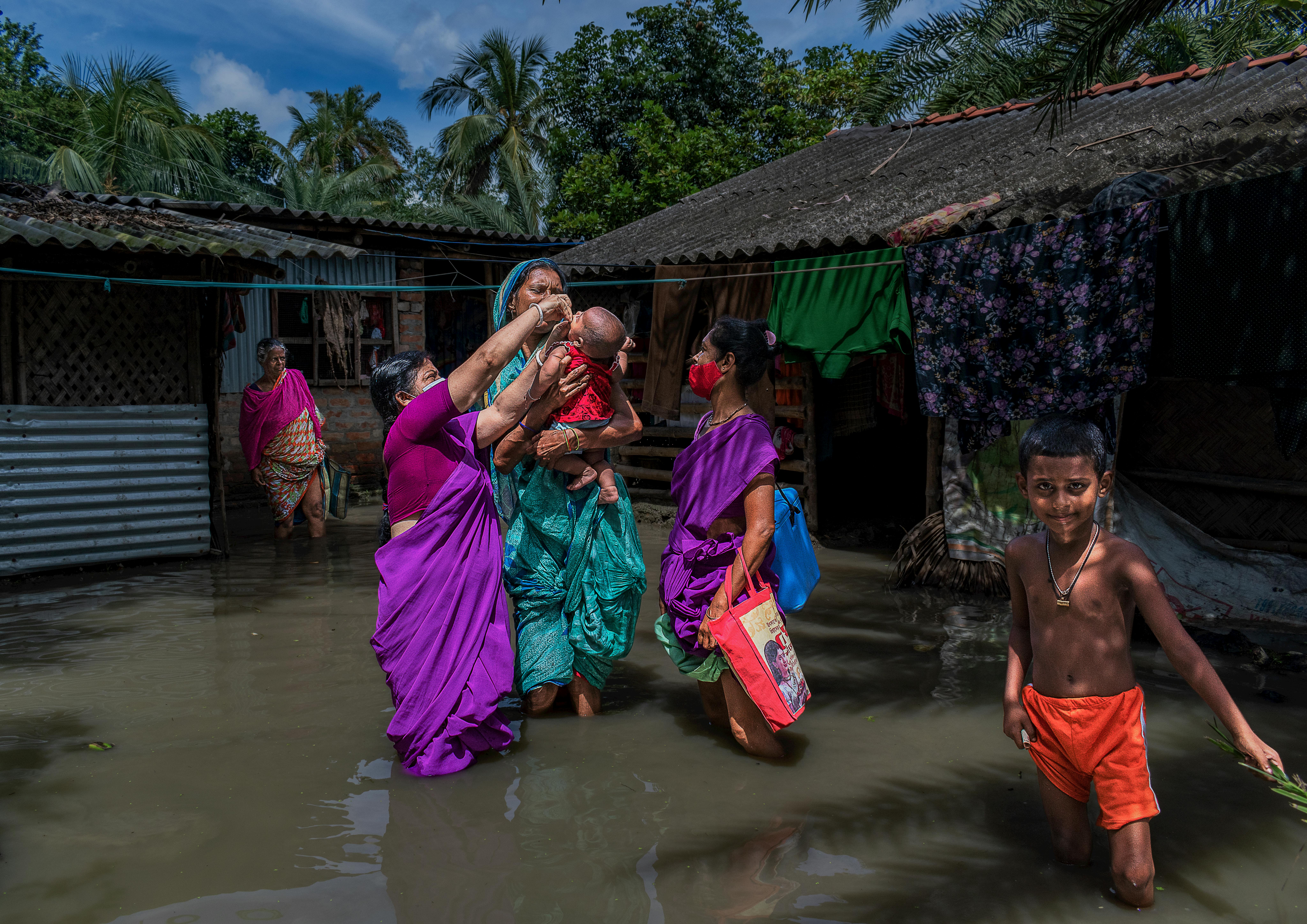
- Growth Monitoring: MUAC (Mid-Upper Arm Circumference) measurements at community health camps — children flagged as SAM (Severely Acute Malnourished) referred to NRC (Nutrition Rehabilitation Centres)
- Behavioural Change Communication (BCC): Cooking demonstrations, kitchen garden promotion, and myth-busting around traditional feeding practices
Education
- Learning Enhancement Camps (LECs): After-school remedial programs for children who have fallen behind, especially post-COVID
- School Enrolment Drives: House-to-house surveys to identify out-of-school children and facilitate RTE Section 12(1)(c) admissions in private schools
- Teacher Sensitisation: Training of community teachers in joyful learning methodologies aligned with NEP 2020
The School-Community Interface
Perhaps our most important innovation is the School Health & Nutrition Monitoring Committee (SHNMC) — a parent-teacher body that we help constitute at each partner school. This committee:
- Monitors PM POSHAN meal quality and quantity
- Tracks absenteeism and flags children who drop out
- Conducts termly health screenings with support from our field health team
In schools where SHNMCs are active, PM POSHAN complaint rates have dropped by 41% and enrolment retention rates have improved by 18 percentage points.
What This Costs — and What It Returns
The economic argument for investing in child nutrition and education is unambiguous. The World Bank estimates a 10% return on investment for every year of quality schooling. The Global Nutrition Report puts the ROI on nutrition at ₹16 for every ₹1 spent.
At APPASWAMY CANCER FOUNDATION, the cost per beneficiary child per year across our integrated program is approximately ₹3,200 — less than ₹9 per day. Your donation of ₹3,200 can change the trajectory of one child's life.
APPASWAMY CANCER FOUNDATION operates in India, Tamil Nadu and surrounding districts. For partnerships, volunteering, or media queries, contact us at info@appaswamy-cancer-foundation.org.